Step into the untamed heart of Jim Corbett National Park through our curated collection of breathtaking wildlife photographs. Captured by expert naturalists across Corbett's iconic zones — these images carry the raw pulse of India's oldest jungle.
"Jim Corbett is India's crown jewel of wildlife conservation — a living testament to nature's grandeur."
Jim Corbett is home to some of earth's most magnificent creatures. Click any category to explore that species gallery.
From dramatic tiger sightings to peaceful jungle mornings, every image reflects the magic of a real Corbett safari.
See iconic sightings of tigers, elephants, leopards, and sloth bears captured in their natural habitat.
Experience the forest trails, riverside views, and sunrise moments that make Corbett so special.
Let these visuals inspire your own journey and help you plan the perfect wildlife holiday.
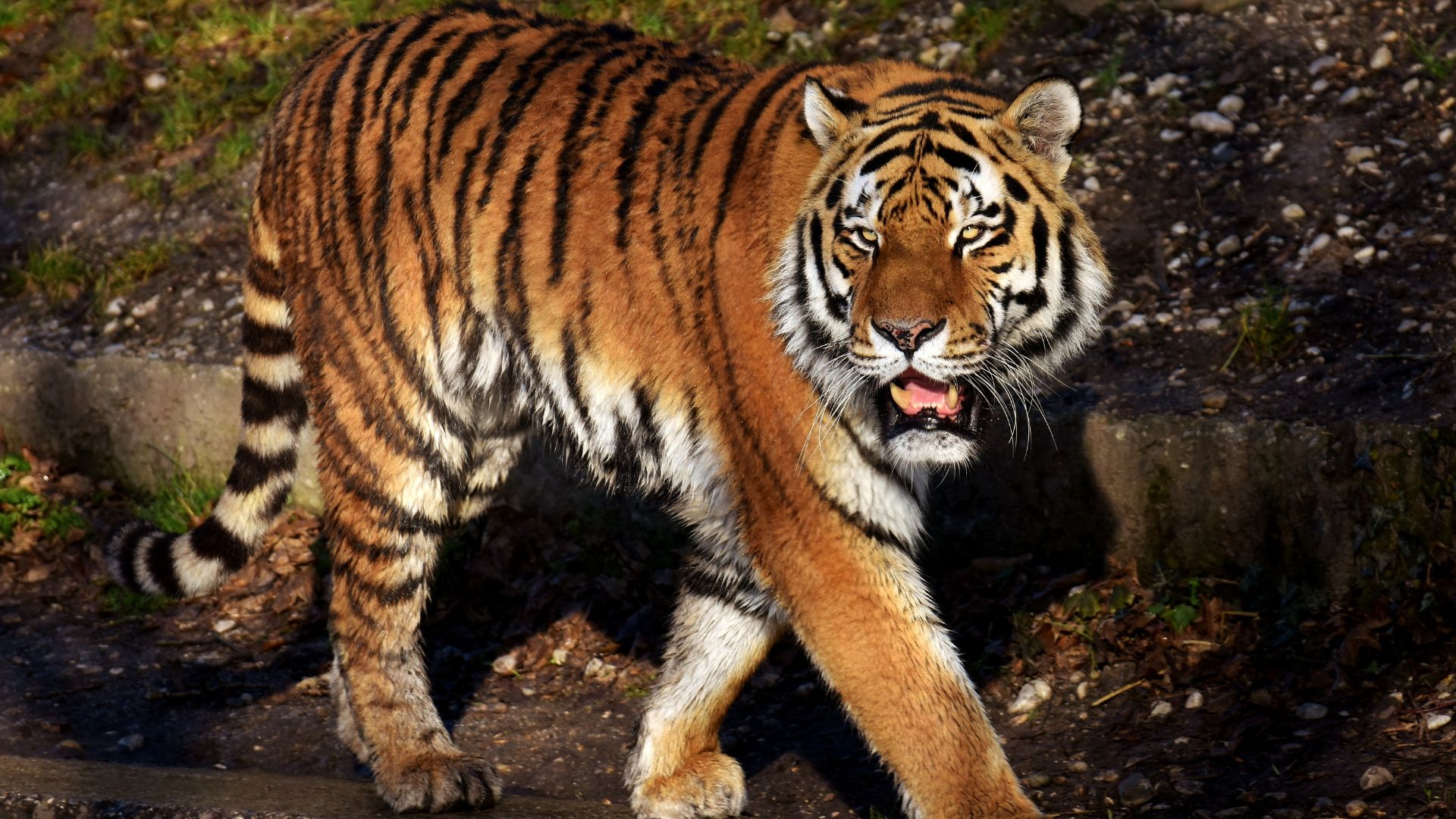
Dhikala Zone · Early morning canter safari · 280 kg adult male
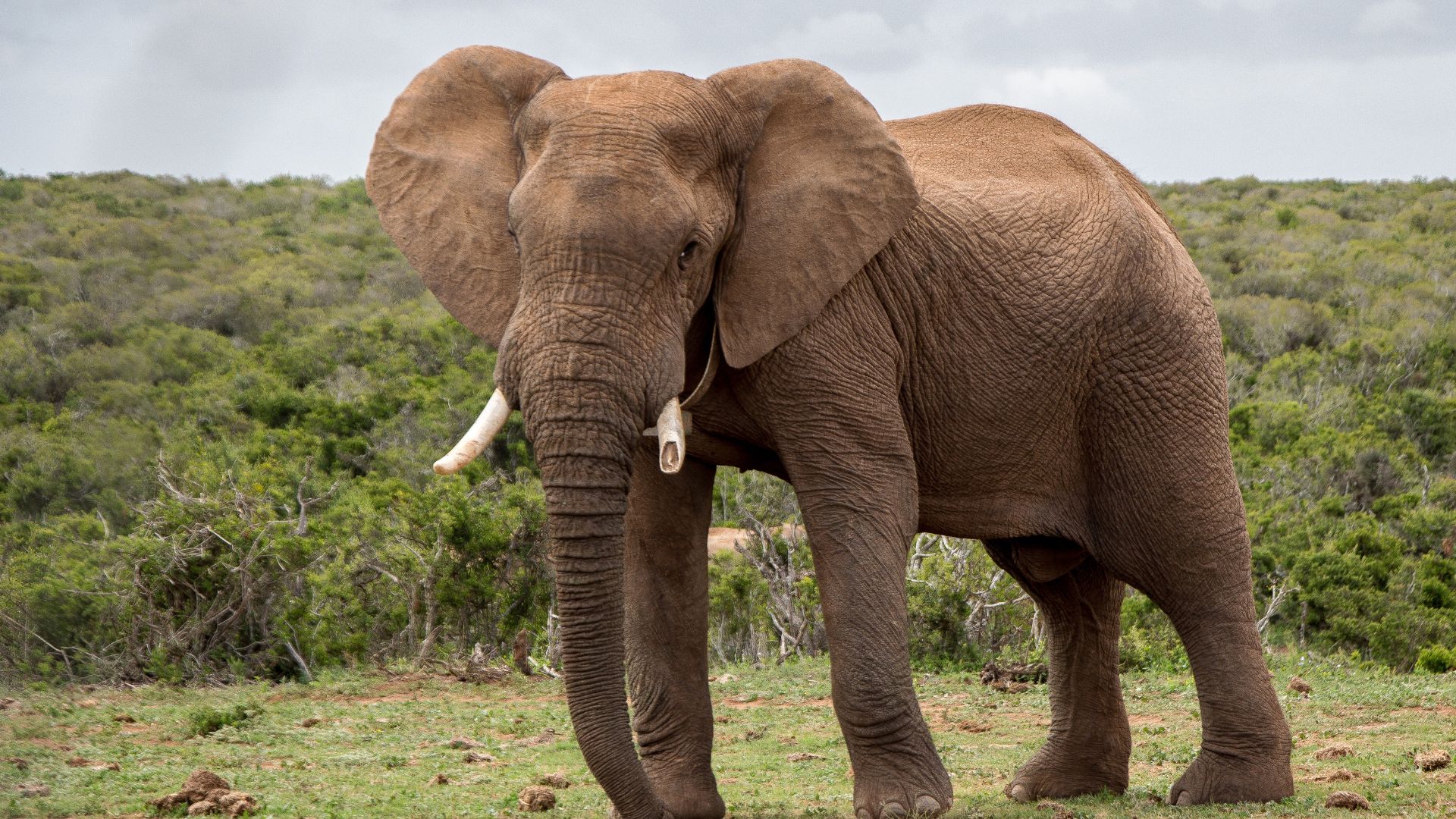
Ramganga Reservoir · Dawn gathering · Dhikala Zone
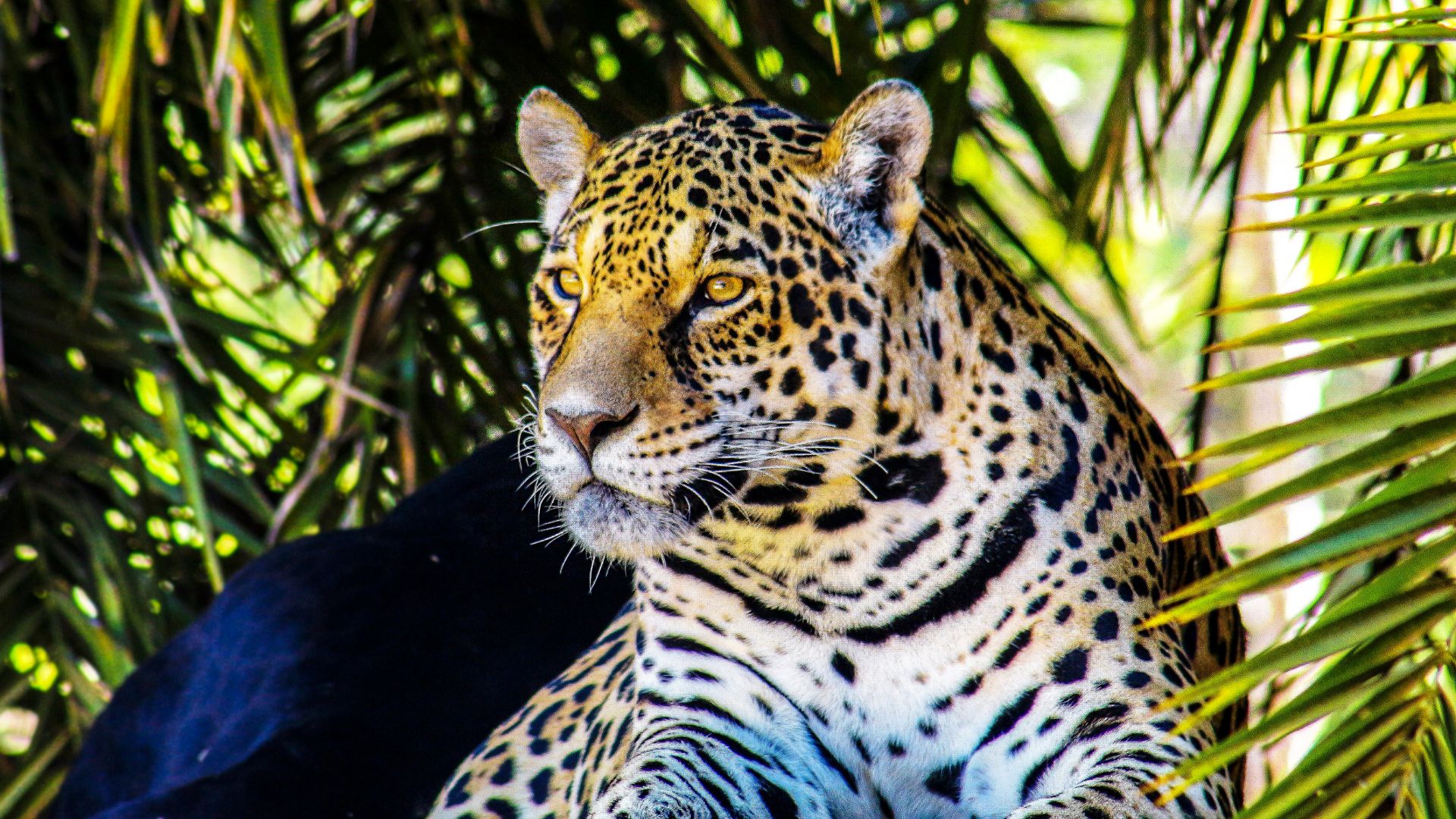
Bijrani Zone · Rare daylight sighting · Winter
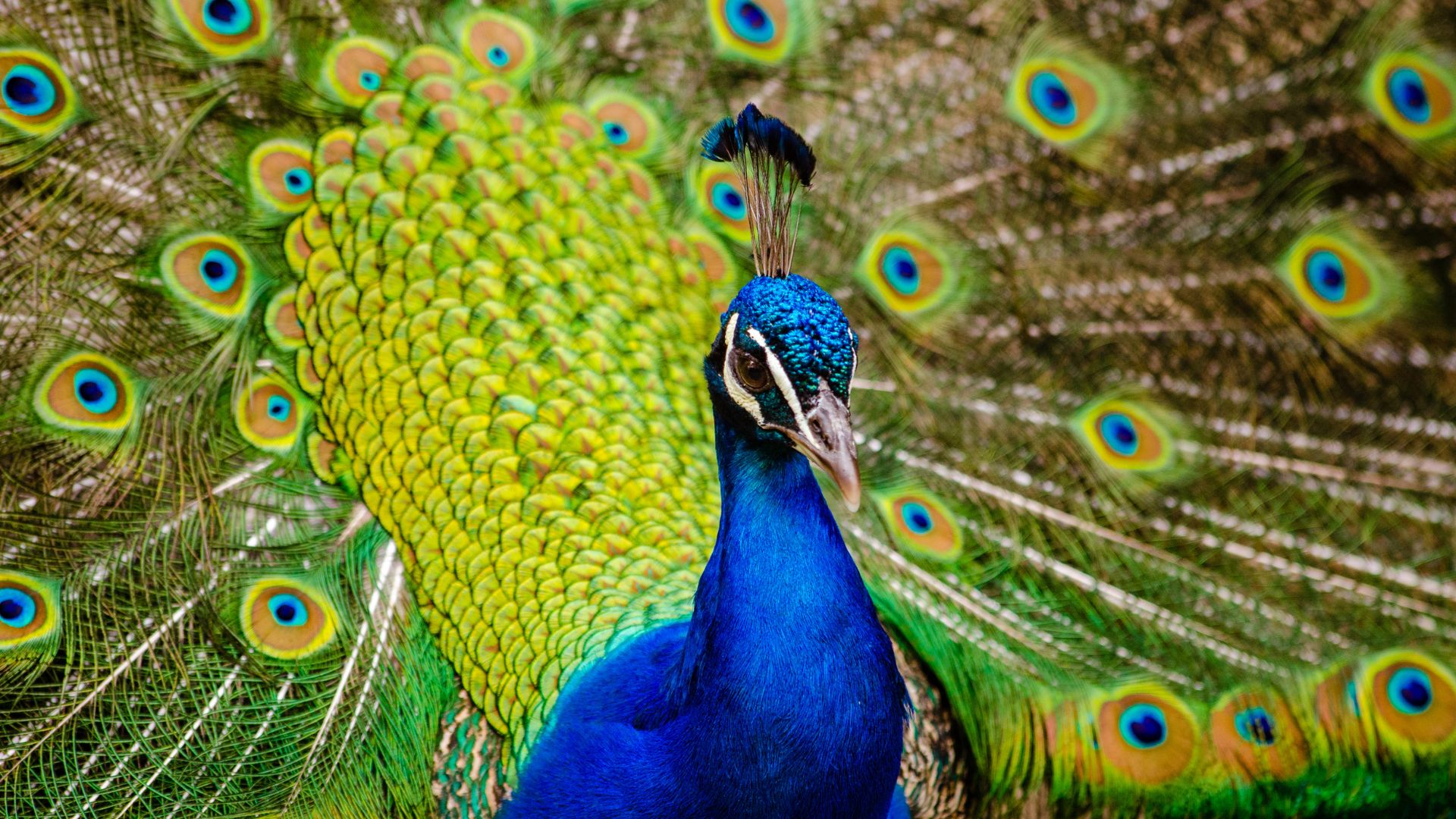
India's National Bird · Buffer Zone · Monsoon season
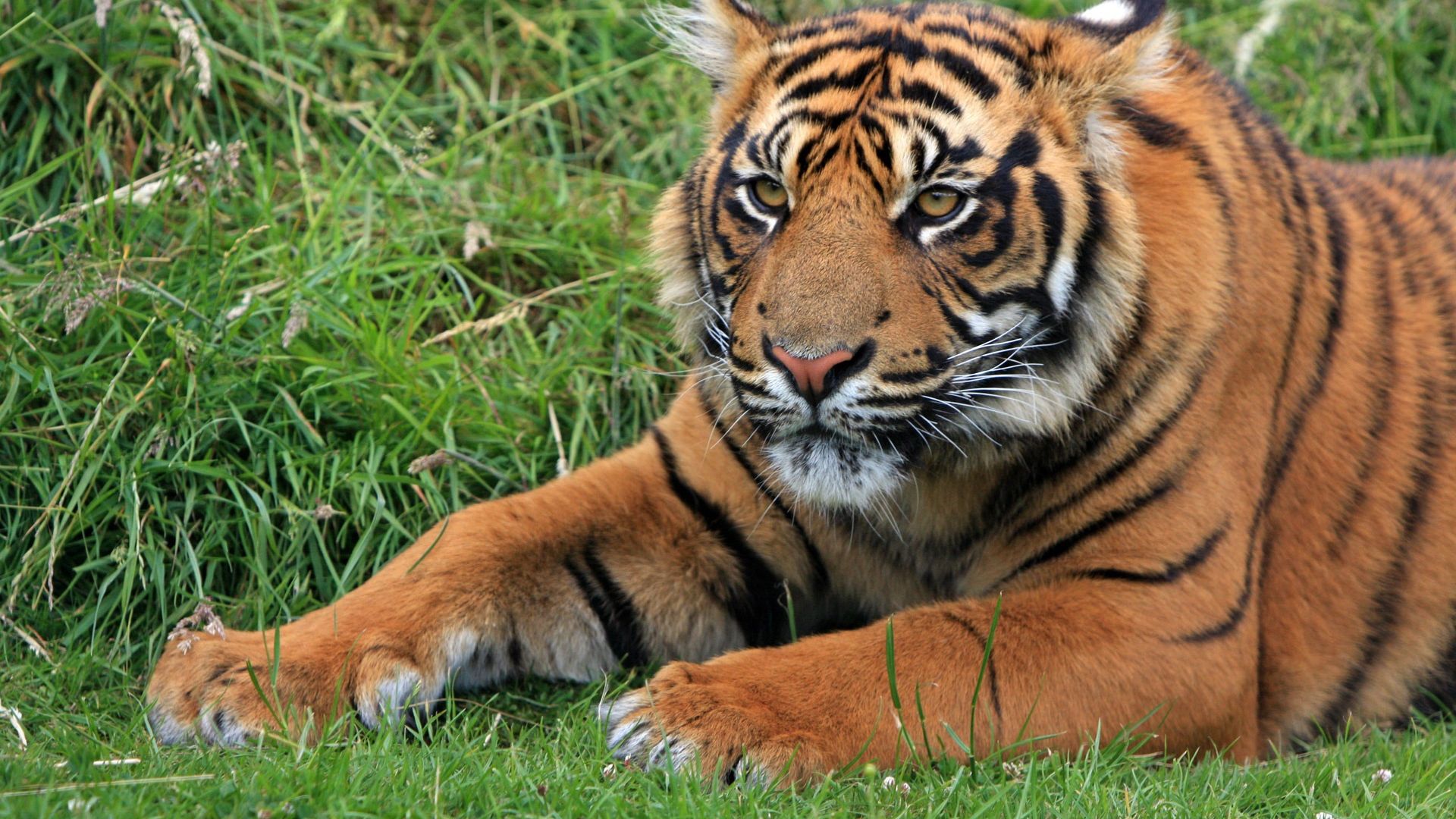
Jhirna Zone · Summer afternoon · April sighting
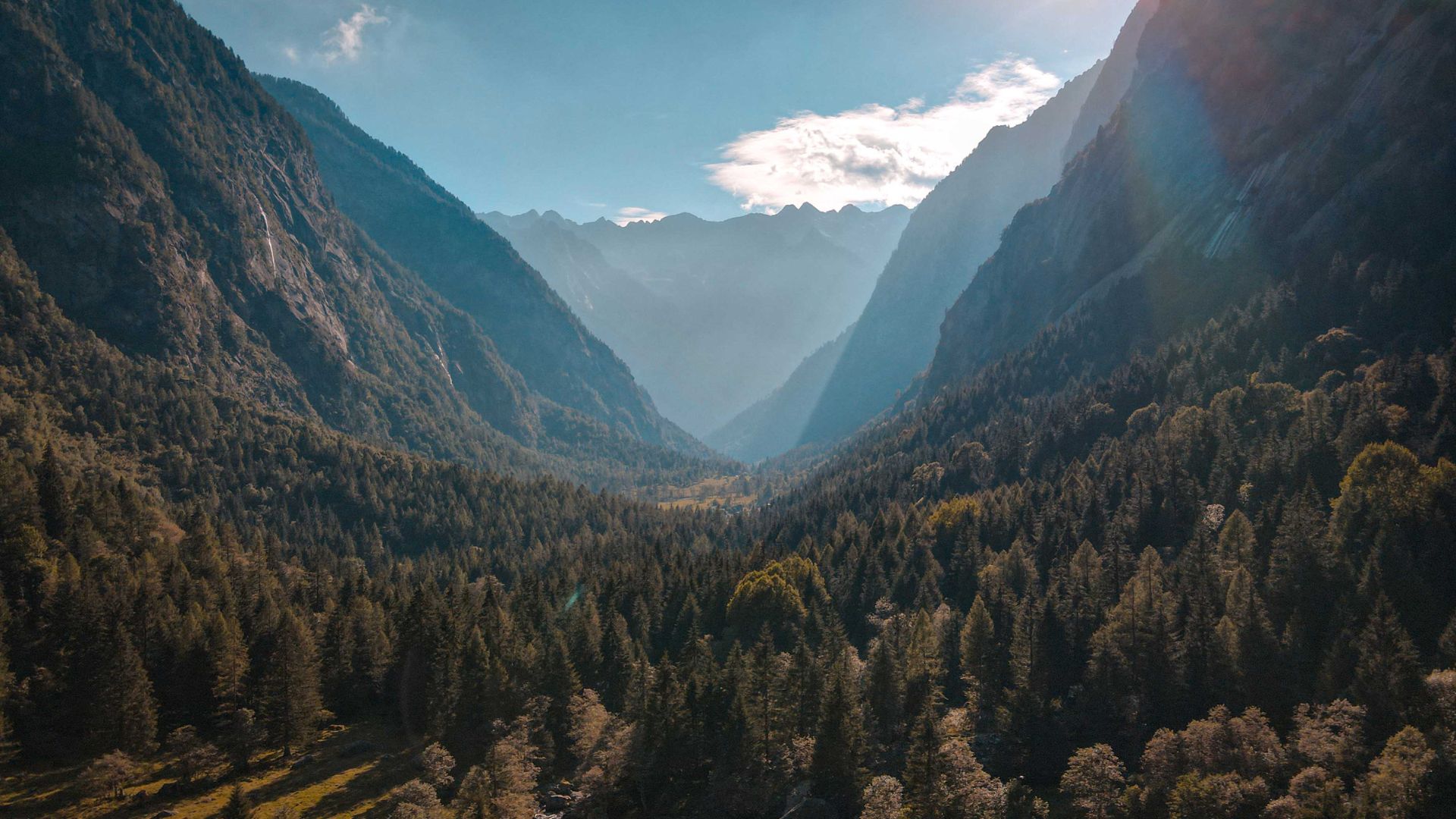
Dhikala Core Zone · 6:00 AM · Crown jewel of Corbett's landscape
Sitabani Buffer Zone · Dusk sighting · Exceptionally rare
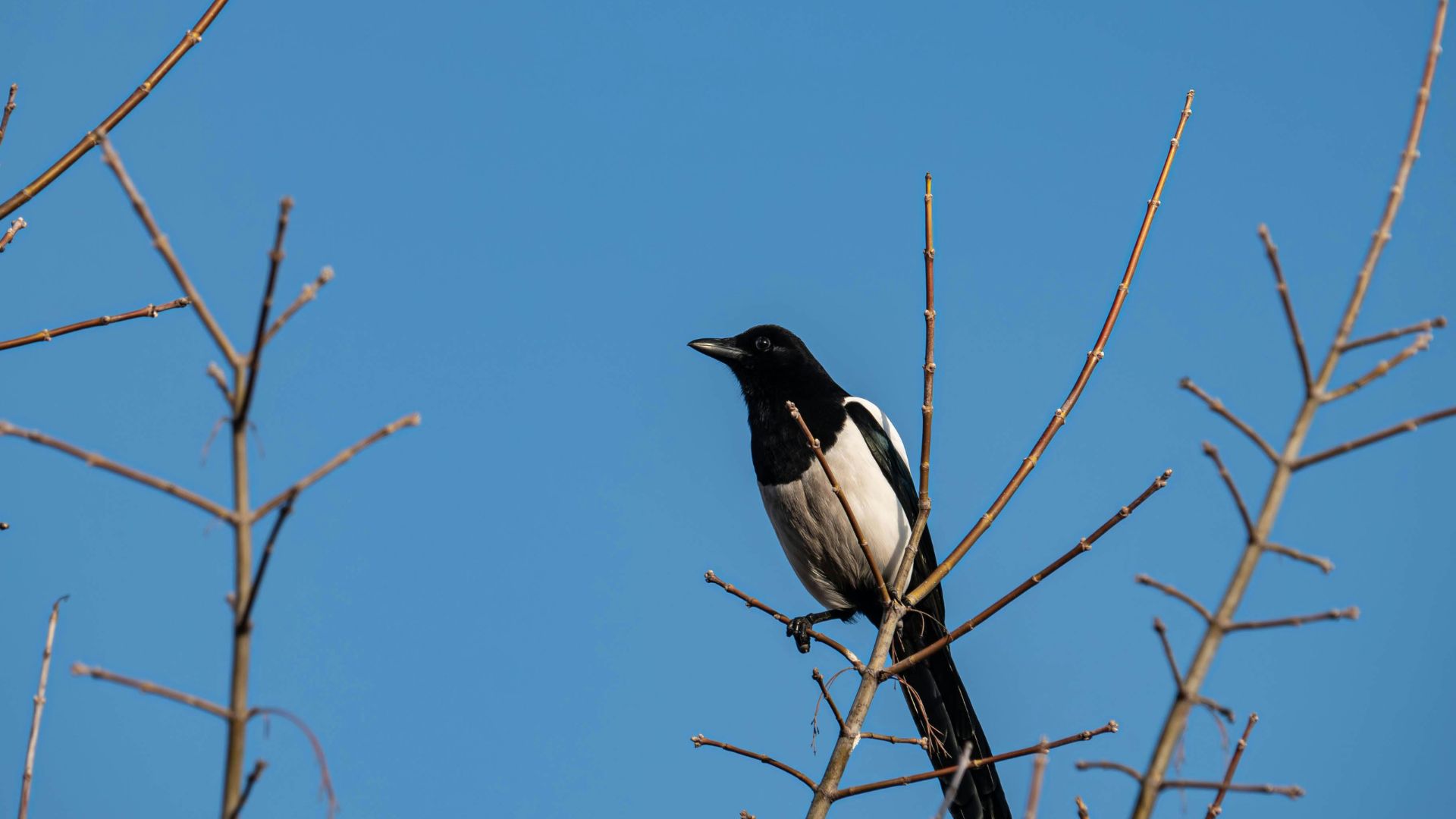
Kosi Riverbank · Corbett Bird Zone · Morning perch
Dhela Zone · Female on Sal tree · Afternoon sighting
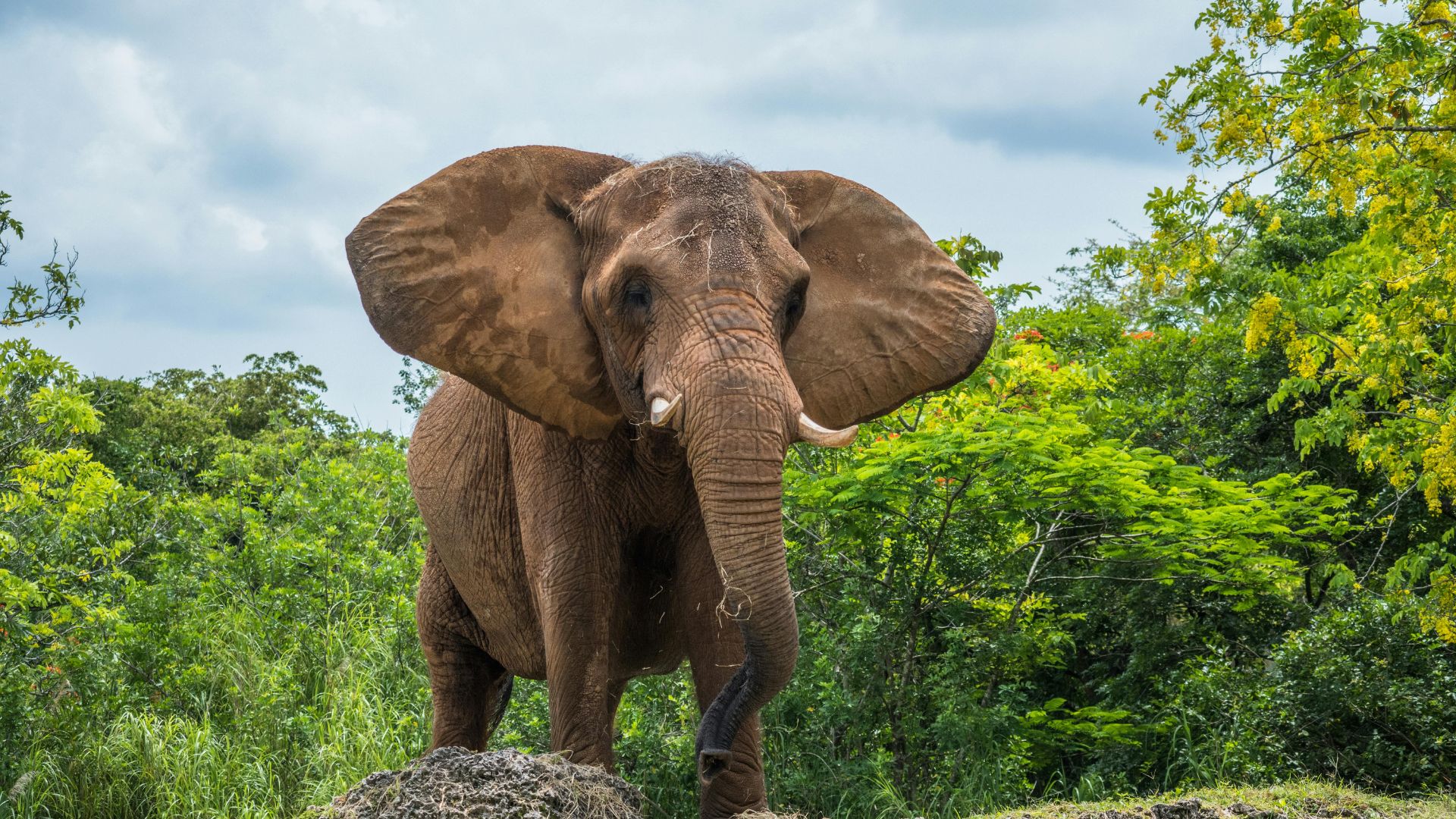
Family herd of 12 · Ramganga River crossing · Dhikala Core Zone
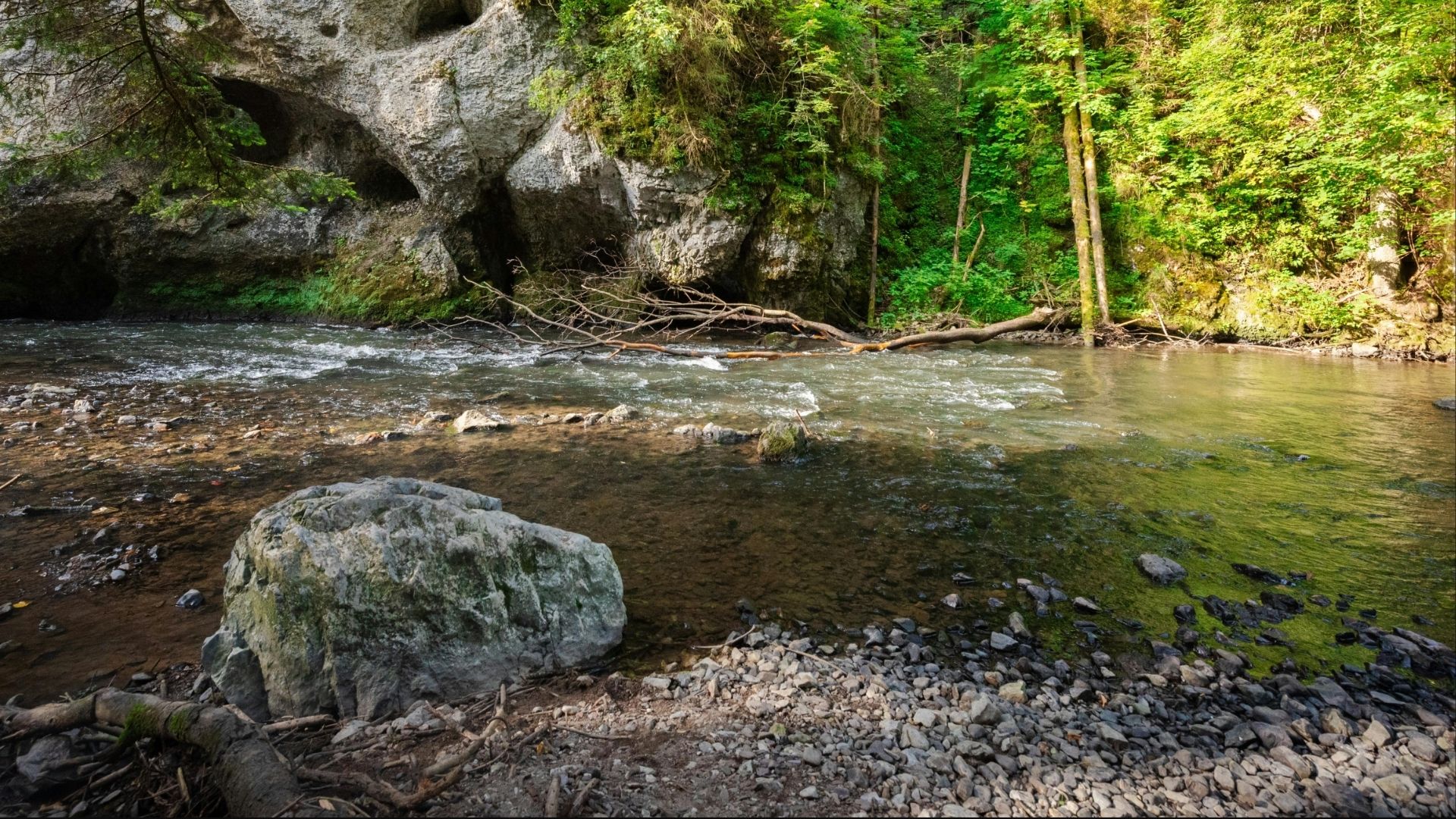
Crocodile habitat · Reservoir edge · Golden hour
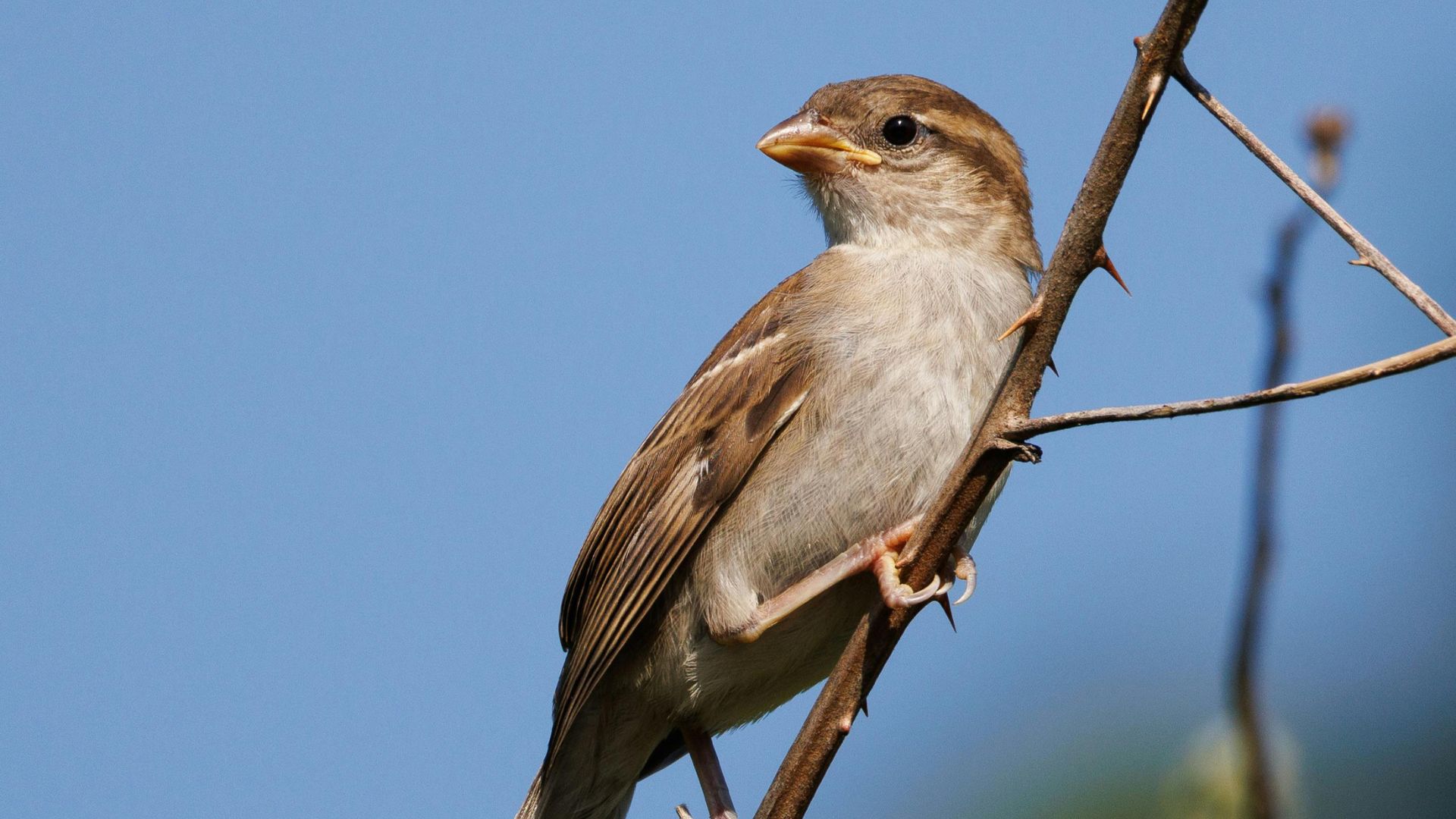
Sonanadi Zone · Forest canopy sighting · Rare species
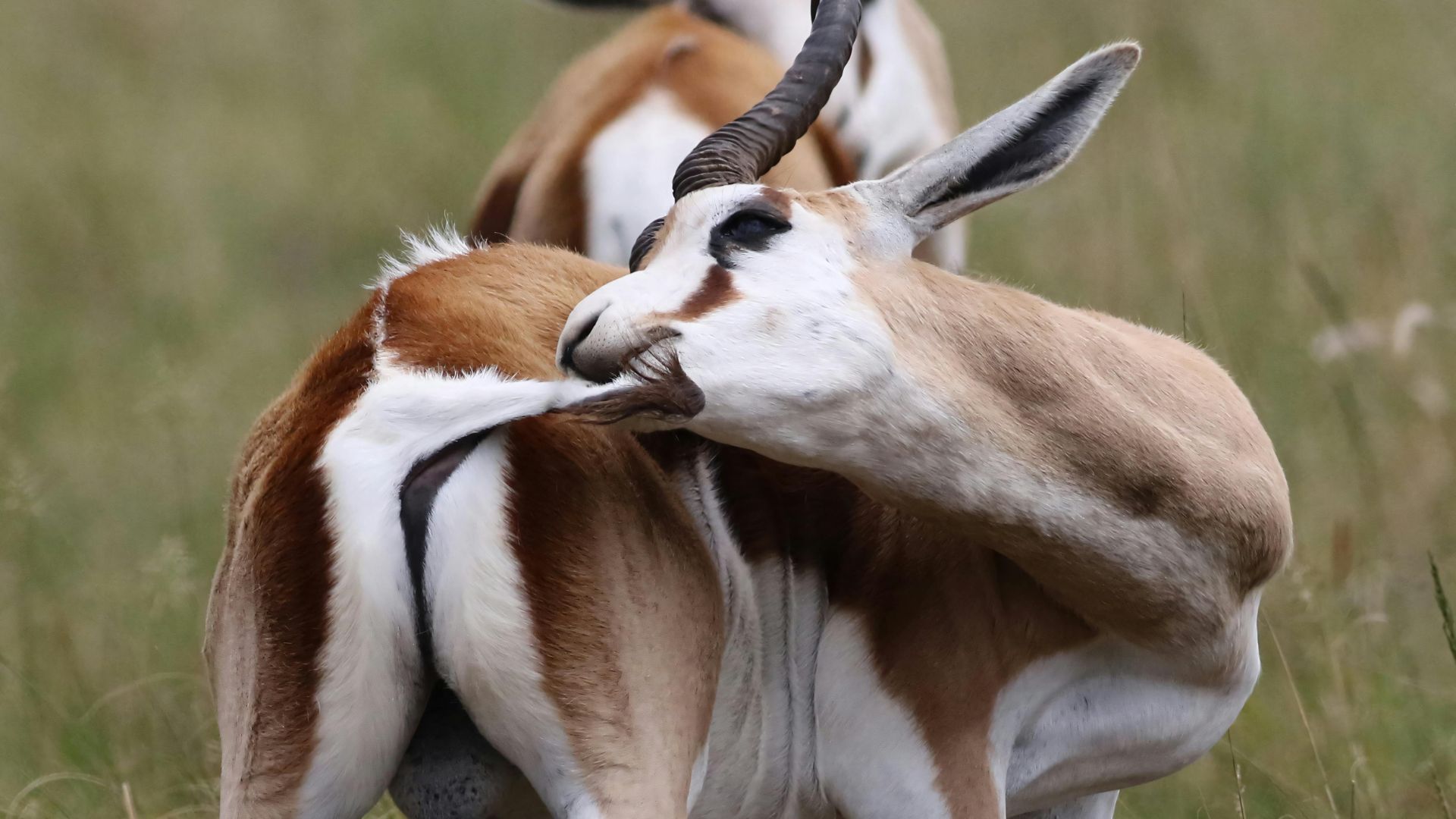
Sonanadi Zone · Mother & cub sighting · Extremely rare
Bijrani Zone · Jeep safari encounter · Chaur grassland
Sonanadi Zone · Naturalist tracking · Perfect camouflage
Sal forest canopy · Winter morning · 6:30 AM
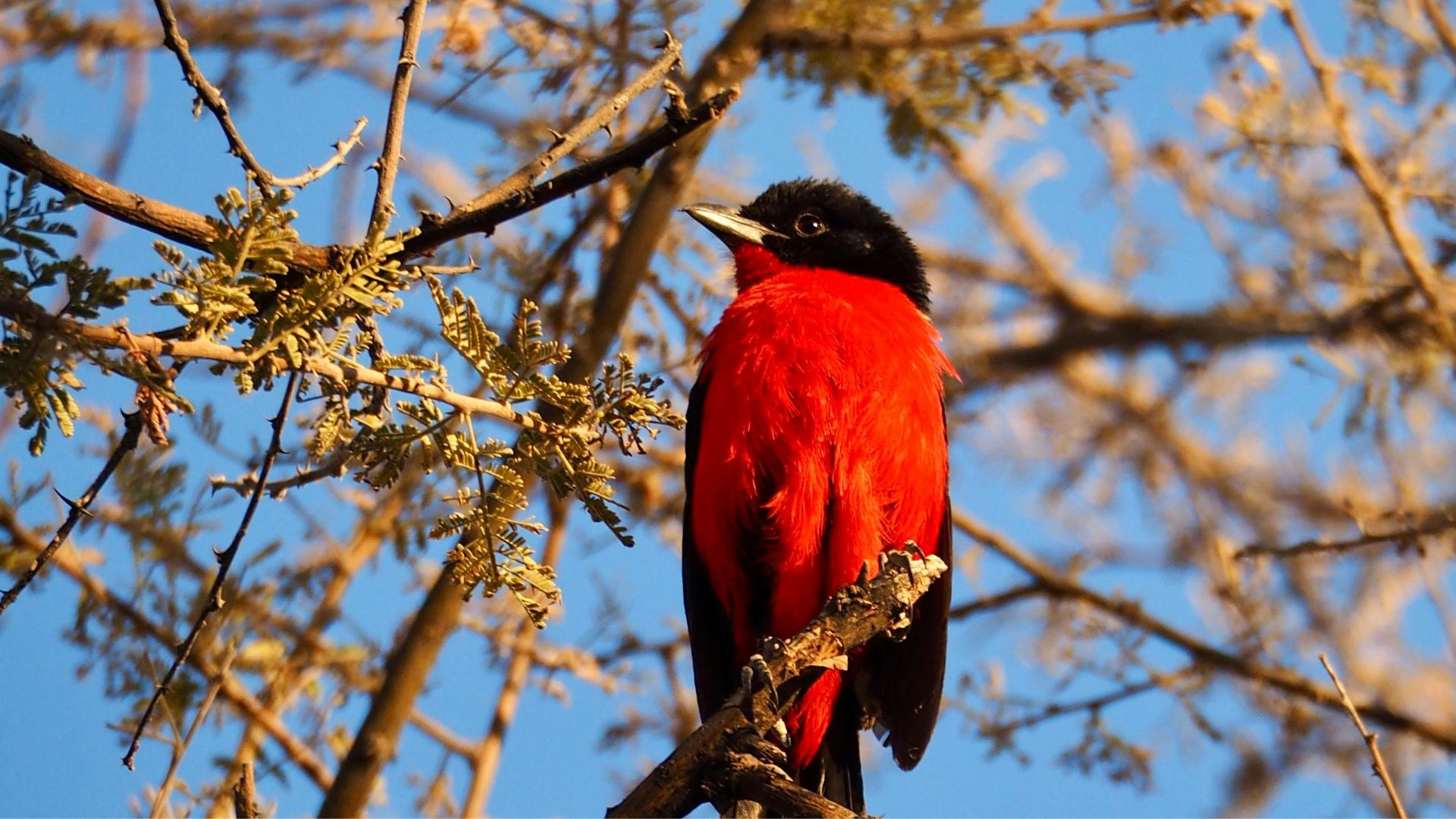
Kosi Riverbed · In-flight capture · Top raptor species
300 kg adult male · Dhikala Zone · Rare close encounter
Durga Devi Zone · Female leopard · Dusk atmosphere
Ancient Sal forest · Terai region · UNESCO Heritage Buffer Zone
No photos found in this category.
Jim Corbett is home to some of earth's most extraordinary animals. Here's a closer look at the iconic species you may photograph on your safari.
Apex Predator
The undisputed crown jewel of Jim Corbett. With over 250 individuals roaming the reserve, Corbett offers some of India's very best tiger sighting opportunities. Each tiger has a unique stripe pattern — like a fingerprint — allowing individual identification.
Gentle Giant
Majestic herds of Asiatic Elephants roam freely across Corbett's riverbanks and grasslands. These intelligent animals form tight-knit family units led by a wise matriarch. Watching a herd cross the Ramganga at dusk is a once-in-a-lifetime spectacle.
Master of Stealth
The most secretive of Corbett's big cats. The Indian Leopard is a supreme master of camouflage and patience. Sightings are rare and greatly treasured. They are exceptional climbers and often drag their prey up into tree branches to eat in safety.
Whether you're a professional wildlife photographer or first-time visitor, these expert tips will help you capture stunning images on your Corbett safari.
The best light for wildlife photography occurs in the first 2 hours after sunrise and 2 hours before sunset. Corbett's morning safari (6–9:30 AM) perfectly aligns with this golden light — creating warm, dramatic images with beautiful catchlight in animal eyes.
Wildlife cannot be approached closely. A 300–600mm telephoto lens is essential for frame-filling shots of tigers and leopards from a safe distance. Image stabilization is crucial when shooting from a moving jeep on bumpy jungle tracks.
Wild animals are extremely sensitive to noise. Speak in whispers, turn off camera sounds, and avoid sudden movements. Silence is not just about getting closer shots — it's about respecting the animals and complying with forest department regulations.
Use Shutter Priority mode with a minimum speed of 1/1000s to freeze fast-moving animals. Set Auto ISO (up to 6400) to handle changing jungle light conditions. Burst mode (10+ fps) is ideal for capturing action — tiger walks, elephant charges, bird takeoffs.
A sharp, clear eye is what makes a wildlife portrait truly compelling. Use single-point autofocus and aim for the nearest visible eye. Even a slightly soft body is acceptable if the eyes are perfectly sharp and reveal the soul of the animal.
Winter season (Oct–Feb) is the absolute best time for wildlife photography. Vegetation thins after the monsoon, animals are easier to spot, and cool temperatures keep wildlife active all day. Tiger sightings peak during November and December.
These photographs inspired real journeys. Here's what our travellers experienced when they visited Jim Corbett in person.
Saw a tiger within 20 minutes of entering the Bijrani zone. The guide was exceptional, the light was perfect and I returned with 500 frames — every single one a memory. The Trip2Corbett team made this possible. Absolutely unforgettable.
The elephant crossing at Dhikala was the most incredible thing I've ever seen. Over 40 elephants crossing the Ramganga at dusk. Our naturalist from Trip2Corbett positioned us perfectly for the shot. I cried. It was that beautiful.
As a birder, Corbett is absolute paradise. Three mornings along the Kosi river and I added 47 new species to my life list — including the gorgeous Ibisbill I'd been chasing for 6 years! The Trip2Corbett team knew every single hotspot.
These photographs are just a glimpse. The real Corbett — the sounds, the smells, the electric silence before a tiger emerges — can only be felt in person. Let us take you there.
Have questions about Jim Corbett tour packages, safari permits, or resort stays? Fill out this quick form, and our Corbett travel experts will design a customized itinerary for you with a free quote within 24 hours.
Authorized safari permits booked directly through forest department portals.
Native naturalists who know the park zones, trails, and best sighting spots.
Direct local tie-ups with top luxury resorts means no middleman commissions.